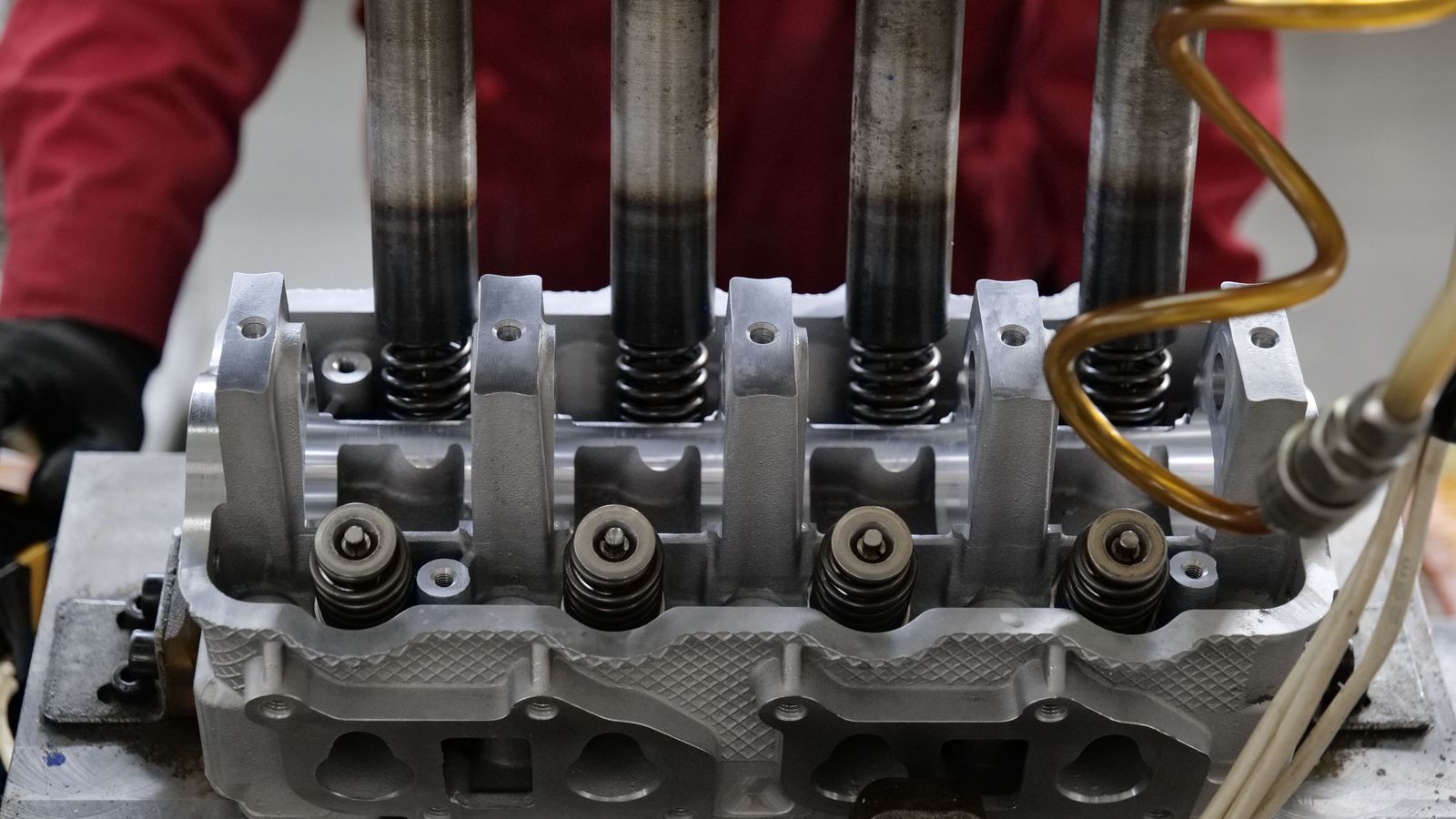
Automotive Parts
Auto parts importers paid a tangle of overlapping duties in 2025. Only the IEEPA portion is part of the refund, and separating it is where claims go wrong.
Every industry paid a different mix of duties in 2025. Only the IEEPA portion is refundable, and separating it is where most refund problems start.
Auto parts importers paid a tangle of overlapping duties in 2025. Only the IEEPA portion is part of the refund, and separating it is where claims go wrong.
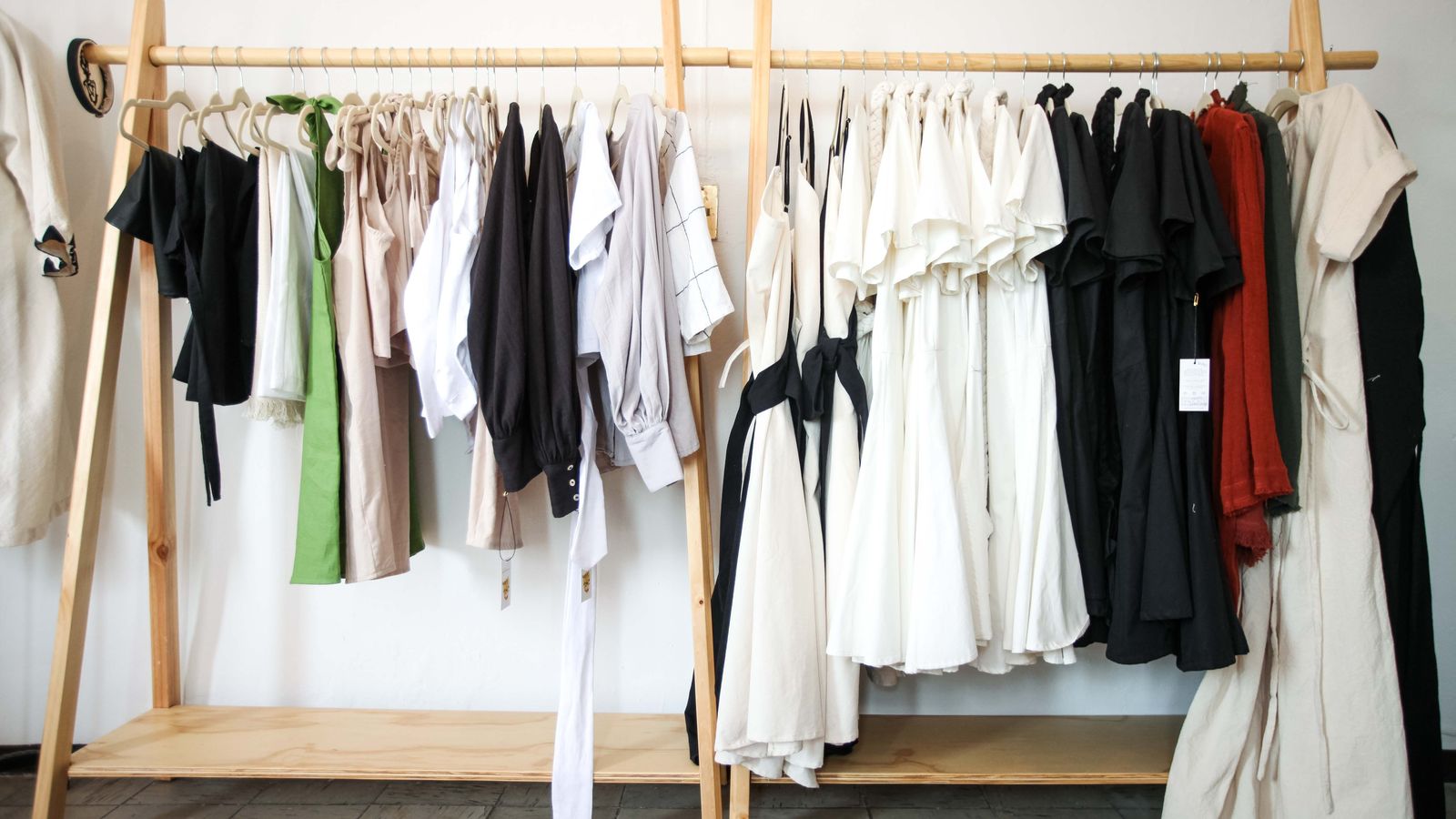
Apparel and textile importers were among the hardest hit by the IEEPA tariffs, because most of the industry sources from countries that received high reciprocal rates.
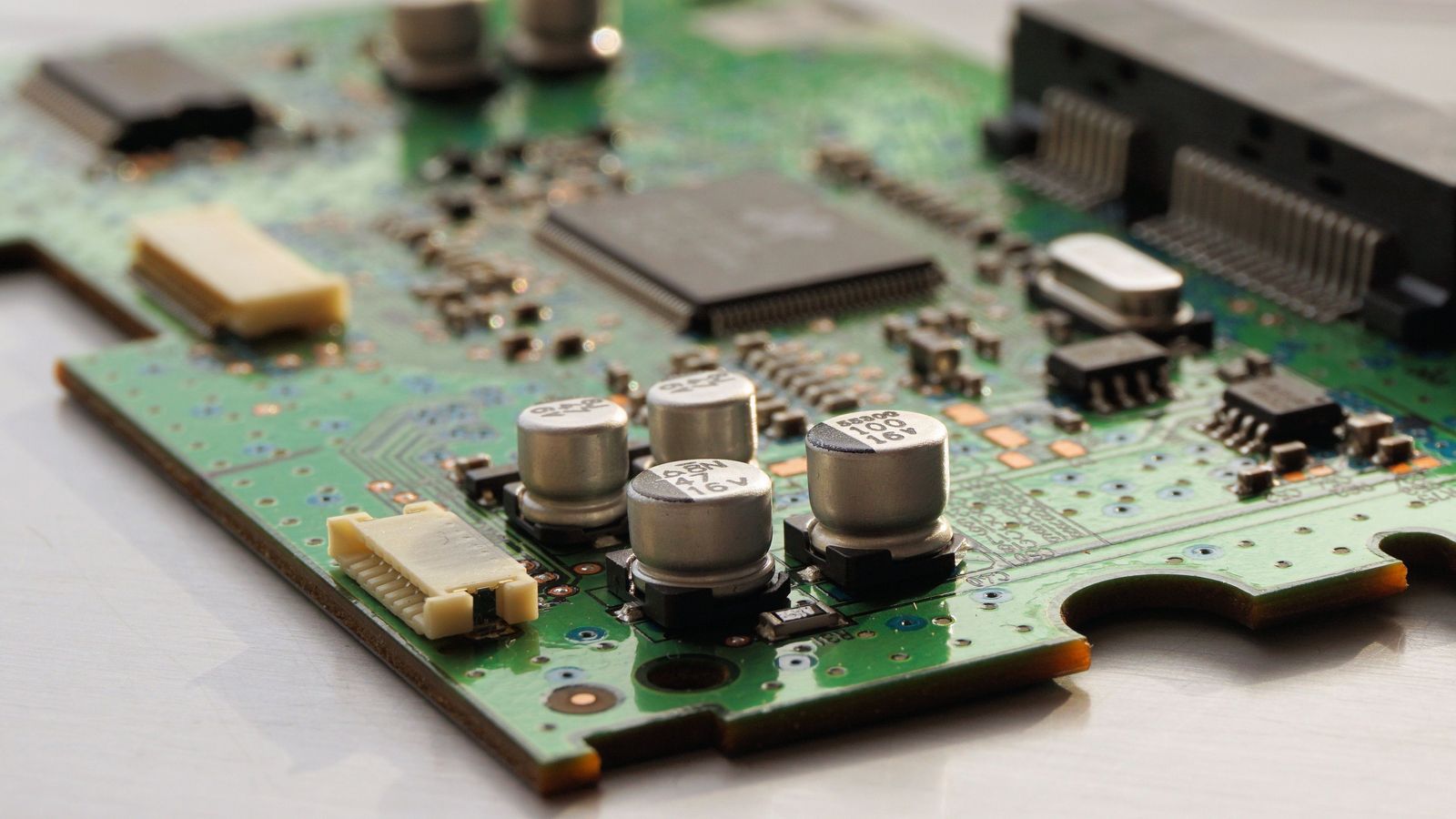
Electronics importers faced a moving target: a broad reciprocal tariff, then an exemption for many products, while China-origin goods kept paying a separate IEEPA duty.
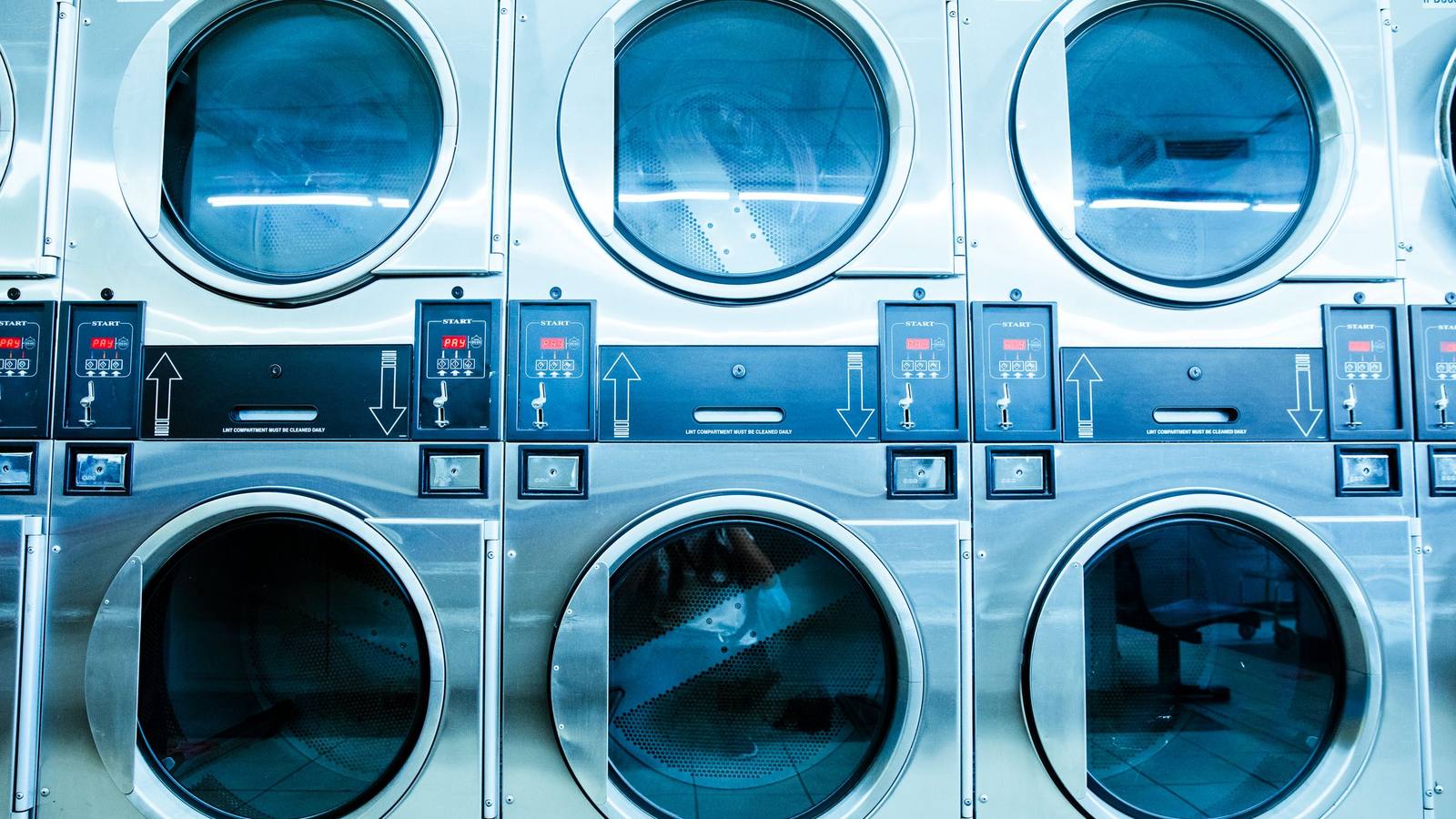
Appliance refunds are among the hardest to calculate, because many appliances paid two different duties on two different parts of the same product.

Furniture importers paid IEEPA duties for most of 2025, then some product lines moved to separate Section 232 duties in October. The date of each entry matters.
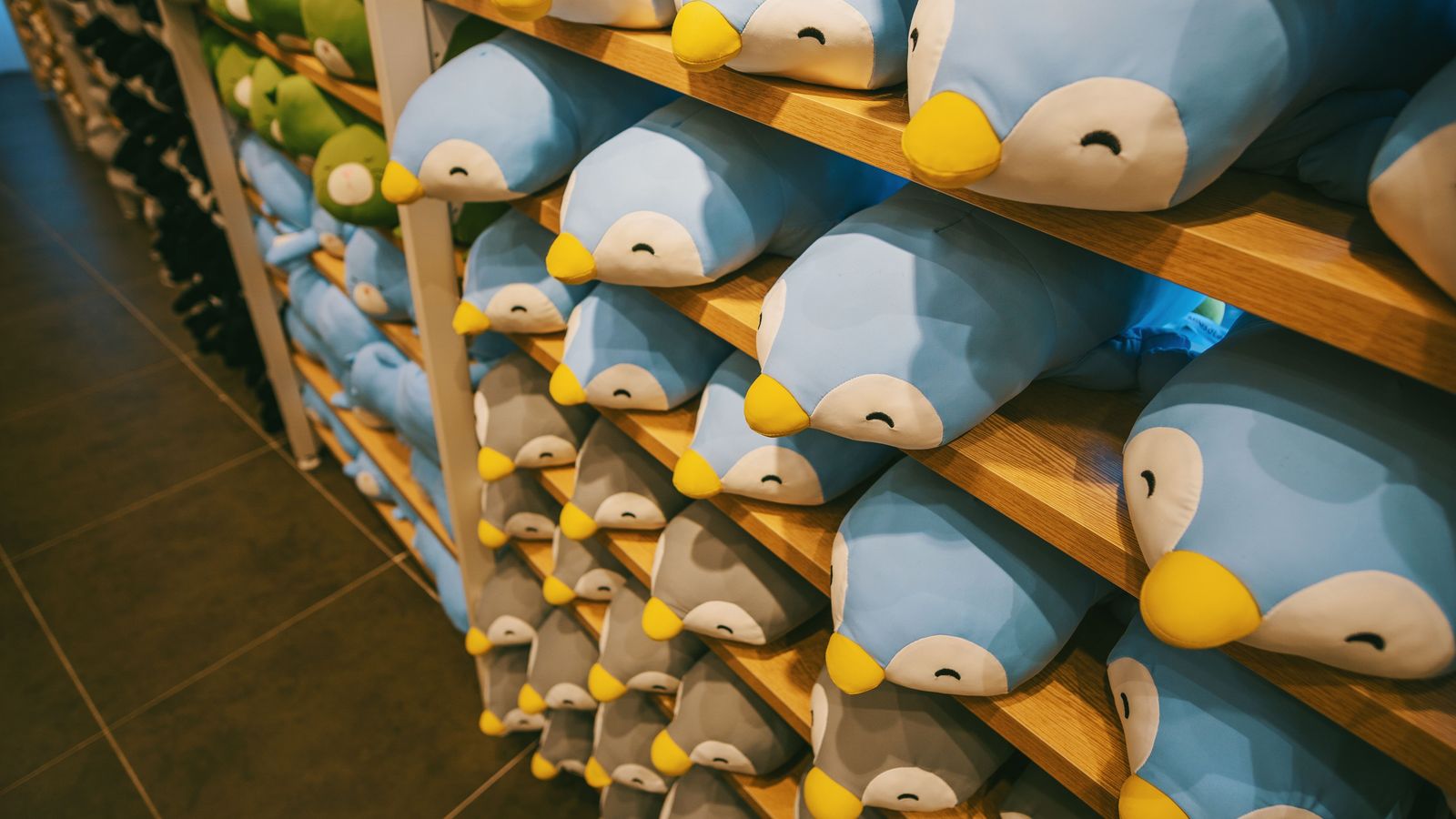
The Supreme Court case that ended the IEEPA tariffs was brought by an educational toy company. Consumer goods importers were among the most exposed.
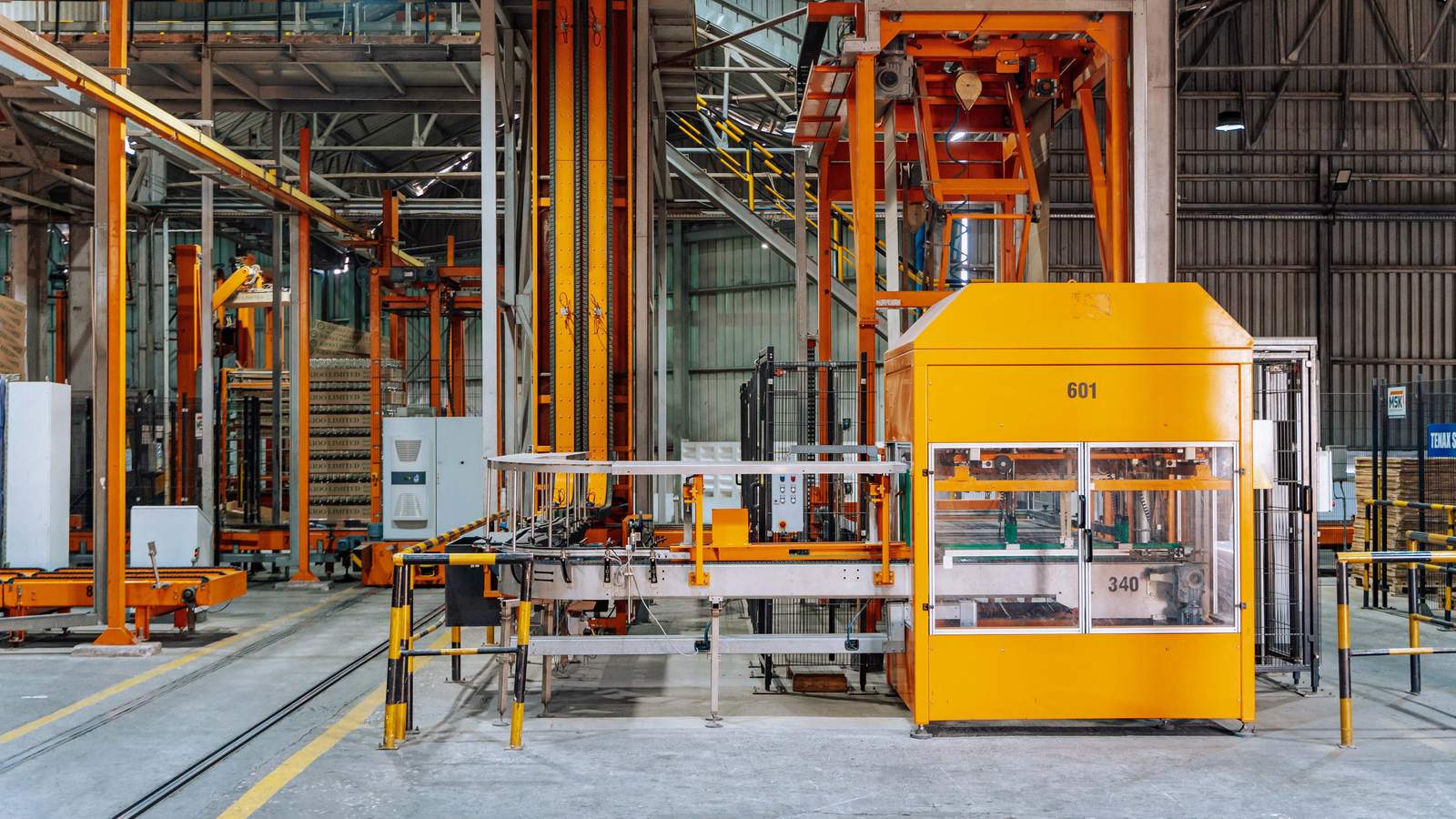
Machinery and equipment importers dealt with Section 232 steel and aluminum rules that kept expanding in 2025. The dividing line between Section 232 and IEEPA duty moved more than once.
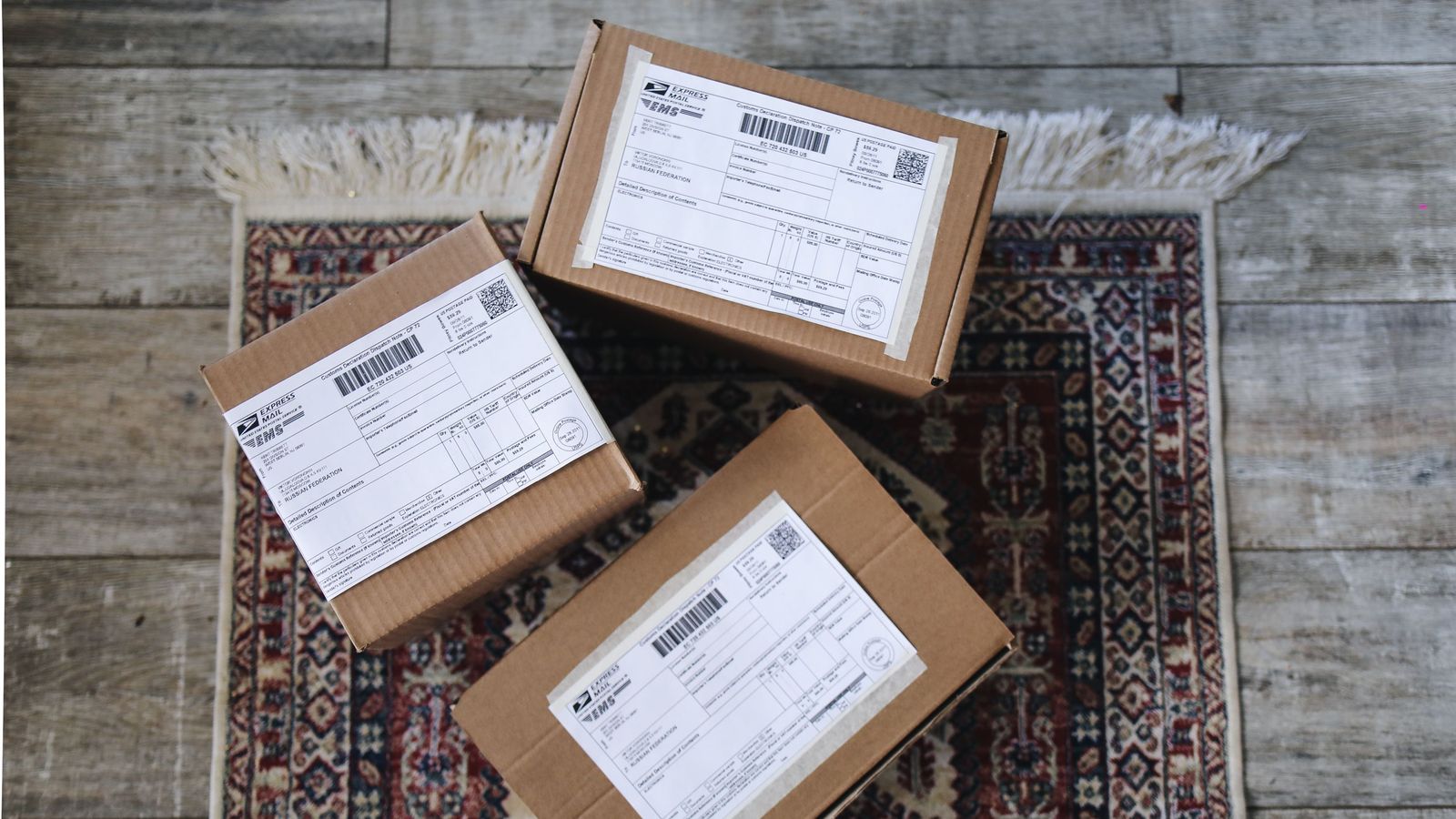
E-commerce sellers were hit twice in 2025: IEEPA duties, and the end of duty-free de minimis entry. Only the IEEPA portion is being refunded, and low-value entries have no CAPE route yet.

Footwear already carried some of the highest base duties of any consumer product. IEEPA duties sat on top of them in 2025, and only the IEEPA layer is being refunded.

Coffee, cocoa, bananas, beef, and many other farm products paid the reciprocal tariff for most of 2025, until an exemption took effect in November. Entries before that date may carry refundable duty.
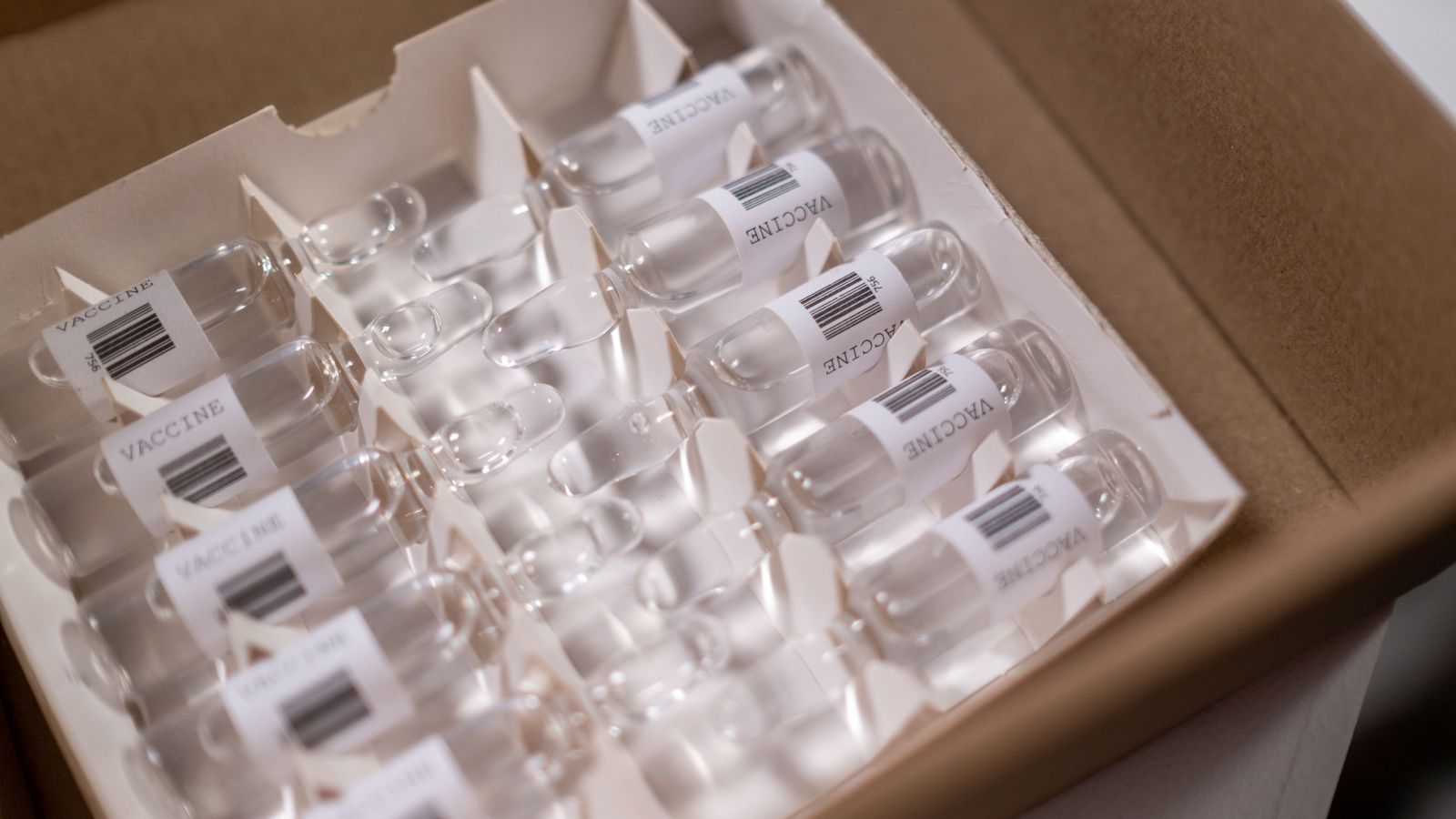
Pharmaceuticals were largely exempt from the reciprocal tariff, but medical devices, supplies, and protective equipment were not. The refund picture depends on the product.
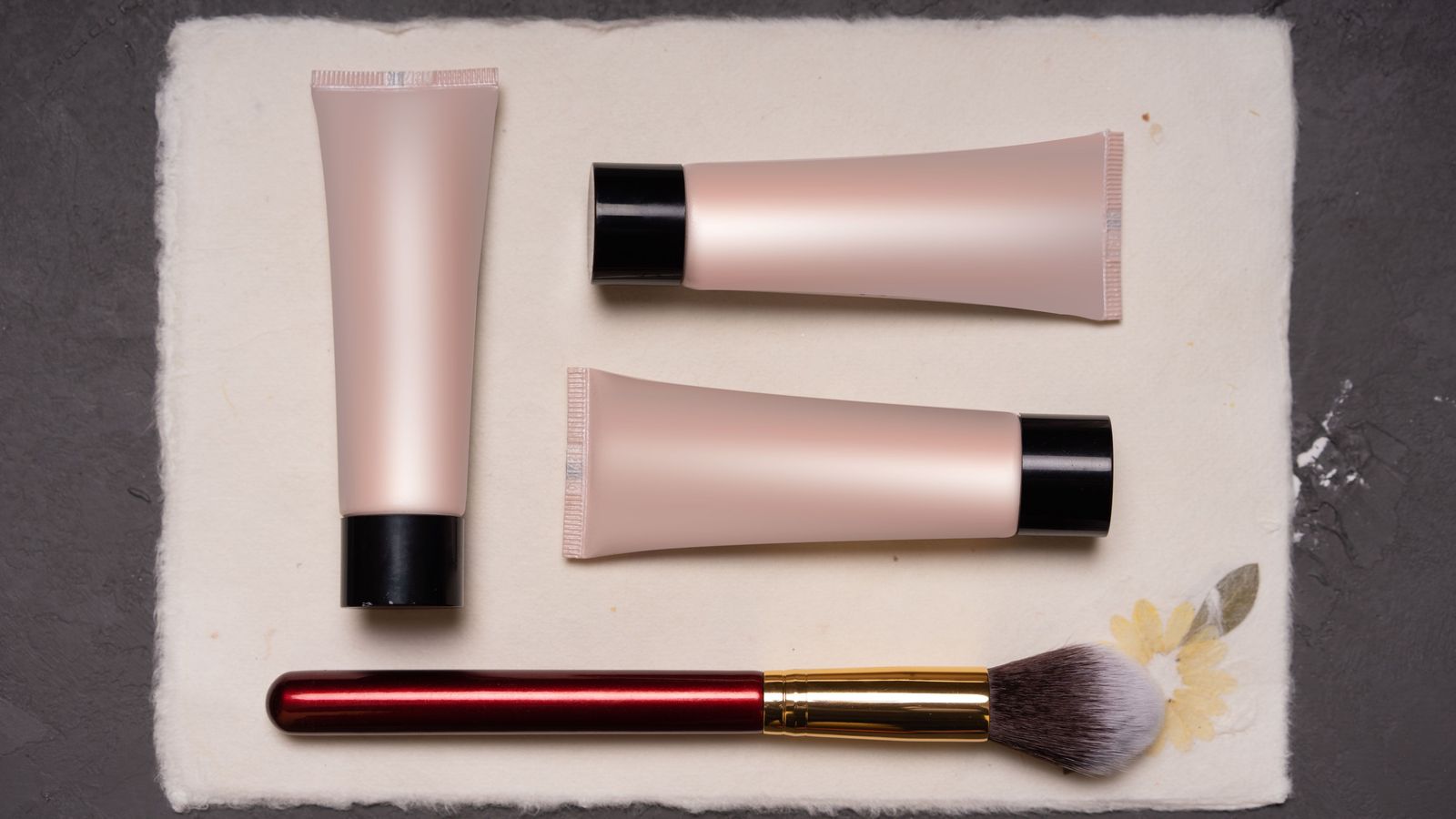
Cosmetics had no special tariff treatment in 2025. The IEEPA exposure came from the reciprocal rate of each sourcing country, plus China-origin duties and the end of de minimis.
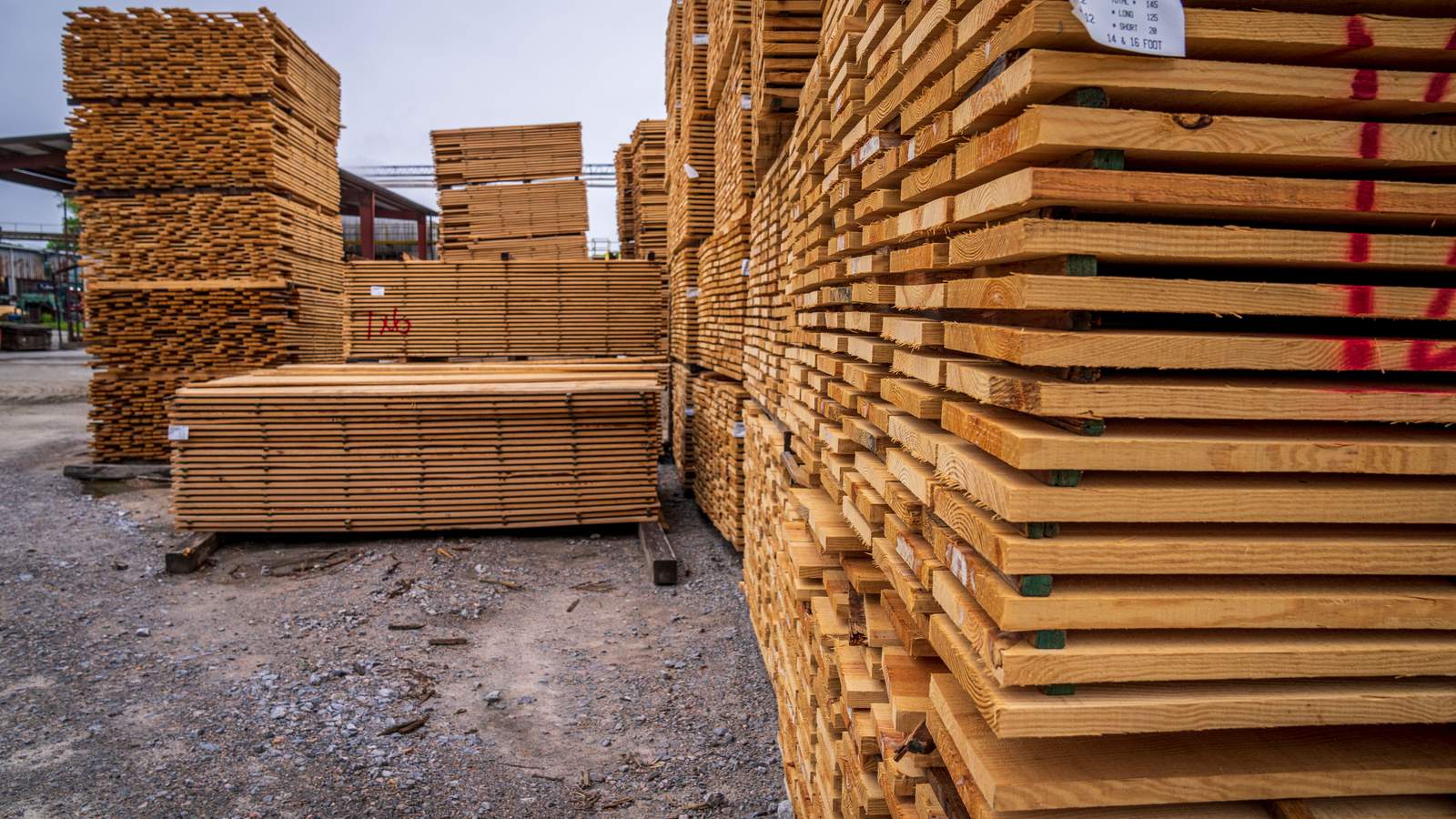
Building materials and hardware sit where Section 232 and IEEPA duties overlap. Products covered by Section 232 generally did not pay the reciprocal tariff, and several products moved between the two during 2025.

Bicycles show how tariff layers stack. An industry breakdown of a China-made bike in 2025 had four layers, and only two of them were IEEPA duties.
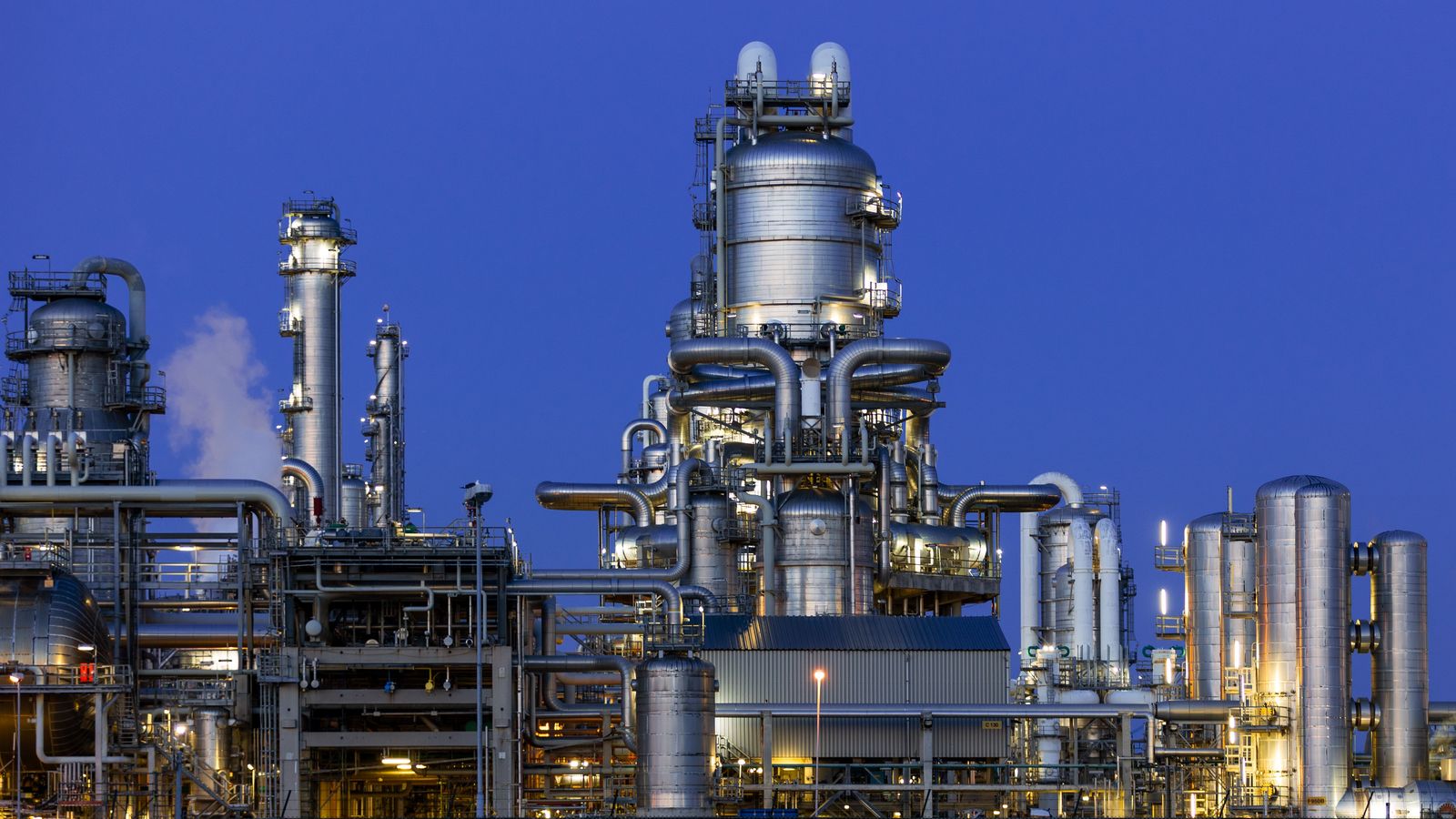
Some chemicals and energy products were exempt from the reciprocal tariff under Annex II, and the list changed in September 2025. Whether a product paid IEEPA duty depends on its HTS code and entry date.
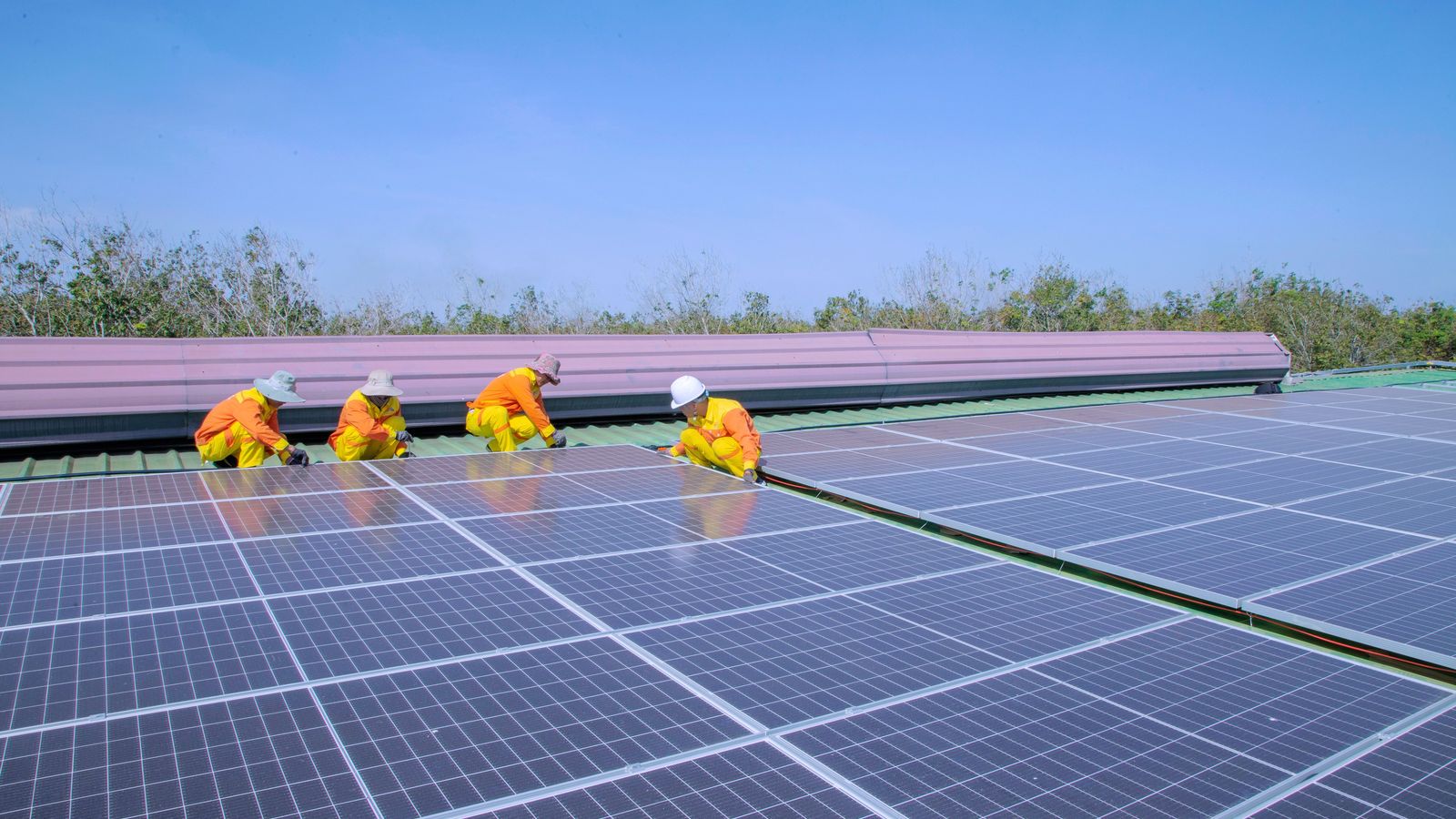
Solar imports carried more trade remedies than almost any other product. The reciprocal tariff was one layer among several, and it is the only one being refunded.
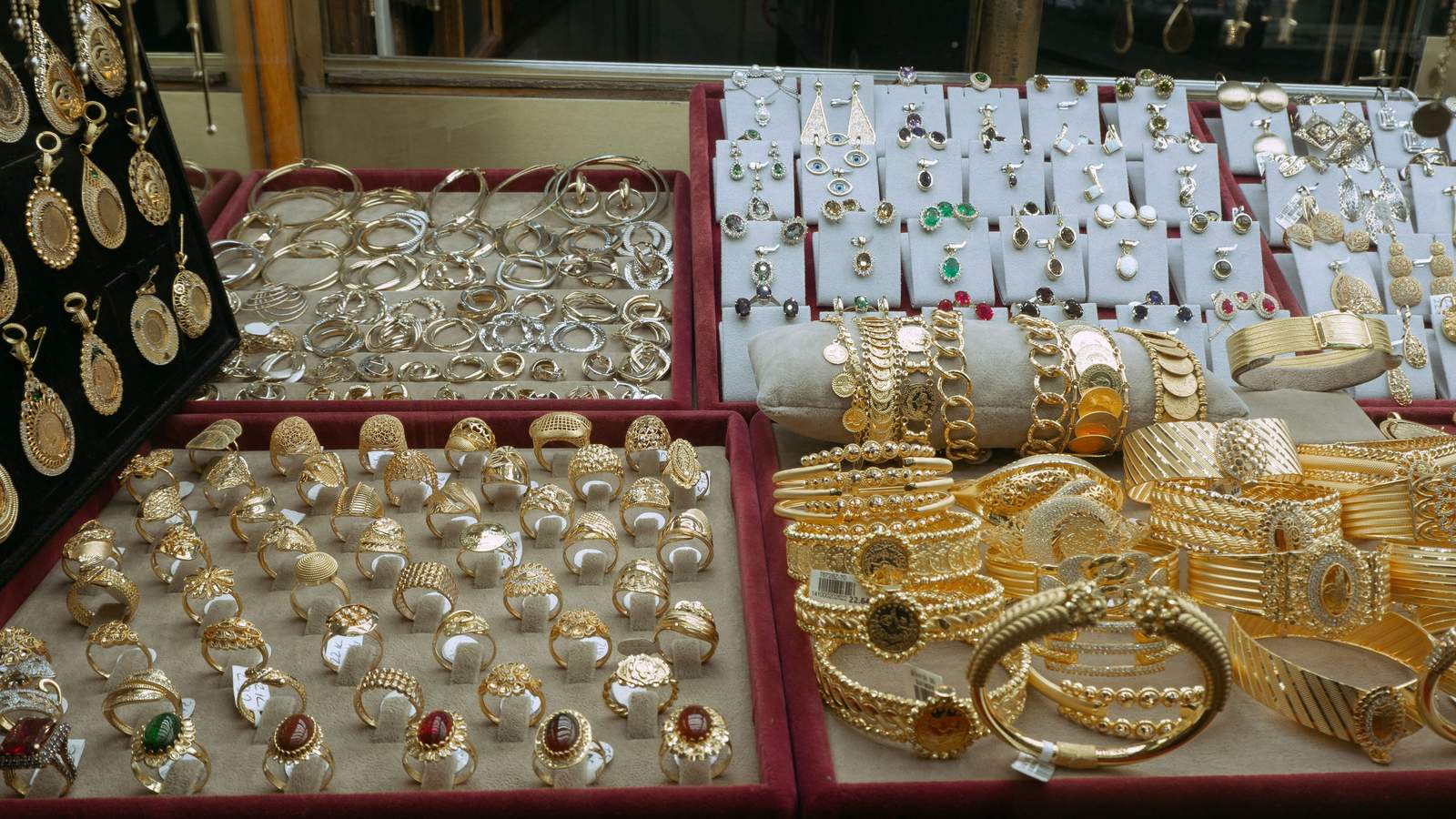
Finished jewelry paid the reciprocal tariff at the origin country's rate. Gold bars were briefly caught by it in 2025 before bullion was added to the exemption list.
Do not see your industry? The same rules apply to any Importer of Record. See the country guides or start a free refund review.
Free for importers. No obligation. You choose who to contact.
Get My Free Refund Review →