How CBP CAPE Refunds Work: Phase by Phase
A phase-by-phase explainer of CAPE, CBP's IEEPA tariff refund tool: who can file, which entries each phase covers, the 80-day line, exclusions, and ACH payment.
Plain-English guides for importers on IEEPA tariff refunds: CAPE, denials, short refunds, liquidation, deadlines, and avoiding scams.
A phase-by-phase explainer of CAPE, CBP's IEEPA tariff refund tool: who can file, which entries each phase covers, the 80-day line, exclusions, and ACH payment.

Importers without an ACE Portal account can apply online. How the automated importer account application works, what the Trade Account Owner does, and when your broker can file instead.

Step-by-step: which ACE reports show IEEPA duties paid (ES-003), what is in your CAPE declarations (ES-022), and where each refund stands (REV-603, REV-613, REV-615).

Liquidation sets every IEEPA refund clock. How liquidation works, where CBP posts notices, which ACE reports show the date, and what CAPE does to liquidation.

Practical questions to ask your customs broker about IEEPA refunds: who files CAPE, whether a Form 4811 is on file, which reports they can pull, protests, and fees.

Some early advice suggested post-summary corrections for unliquidated entries. CBP has since prohibited starting an IEEPA refund request by PSC. What PSCs are and what to use instead.
A type-by-type guide to entries CBP excluded from CAPE: AD/CVD, foreign trade zone, warehouse, drawback, reconciliation, informal, Section 321, and protested entries.

CBP pays refunds only by ACH since February 6, 2026. How importers enroll for ACH refunds in the ACE Portal, what bank account CBP needs, and how Form 4811 notify parties work.

Why IEEPA refunds can be smaller than expected: Section 232 and 301 stacking, the steel and aluminum content split, missing entries, offsets, and interest.
CBP calculates interest on IEEPA refunds under 19 CFR 24.36 and 19 U.S.C. 1505. How to see principal and interest separately in ACE and what to do if interest looks missing.
Four illustrative examples showing how much of a duty bill is IEEPA duty: a China entry with Section 301, an EU entry under the 15 percent all-in rule, a Canada entry, and a Section 232 line.
Only IEEPA duties are being refunded. How to tell IEEPA duties apart from Section 232, Section 301, antidumping and countervailing duties, Section 122, and ordinary duties on your entries.

Annex II exempted categories such as pharmaceuticals, semiconductors, energy, and certain minerals from the reciprocal tariff. How the list changed in April, September, and November 2025.

After IEEPA collection ended, a 10 percent Section 122 surcharge applied from February 24 to July 24, 2026. Why it is not refunded through CAPE and what the courts have said.
The common reasons CAPE rejects IEEPA refund entries: wrong filer, excluded entry types, the 80-day line, open protests, and non-IEEPA duties. What can be corrected.

A plain-English guide to customs protests: CBP Form 19, electronic protests in ACE, who can file, the 180-day deadline, how long CBP has to decide, and what CBP has said about IEEPA protests.
How the CAPE window, the 180-day protest window, the 180-day court window after a denied protest, and the two-year lawsuit route fit together, entry by entry.
What "finally liquidated" means, why CBP says it needs a court order, what the Court of International Trade ordered in July 2026, and what remains unsettled.
Suits under 28 U.S.C. 1581(i) must be filed within two years of accrual. Why practitioners disagree on when the clock starts and what the earliest dates may be.
Before anyone handles your IEEPA refund, check the license. How to verify a U.S. customs broker license and an attorney's bar admission, and what a broker must give you in writing.

How customs brokers and law firms charge for IEEPA refund work: per-entry fees, percentage fees, contingency, hourly, and blended arrangements, with published examples and the questions to ask.

CBP warned importers about IEEPA refund scams in May 2026. The warning signs, the only official way to file, how to verify CBP contact, and where to report fraud.
What Deloitte and KPMG have published on accounting for expected IEEPA tariff refunds: loss-recovery versus gain-contingency models, interest, and inventory. General information only.
A general overview of the federal income tax treatment of IEEPA tariff refunds reported by CBIZ, CLA, and RSM: the tax benefit rule, cash vs accrual timing, inventory, and interest.
Investors have bought IEEPA refund rights at a discount, and lenders take them as collateral. What has been reported, the Anti-Assignment Act problem, and questions to ask before signing.
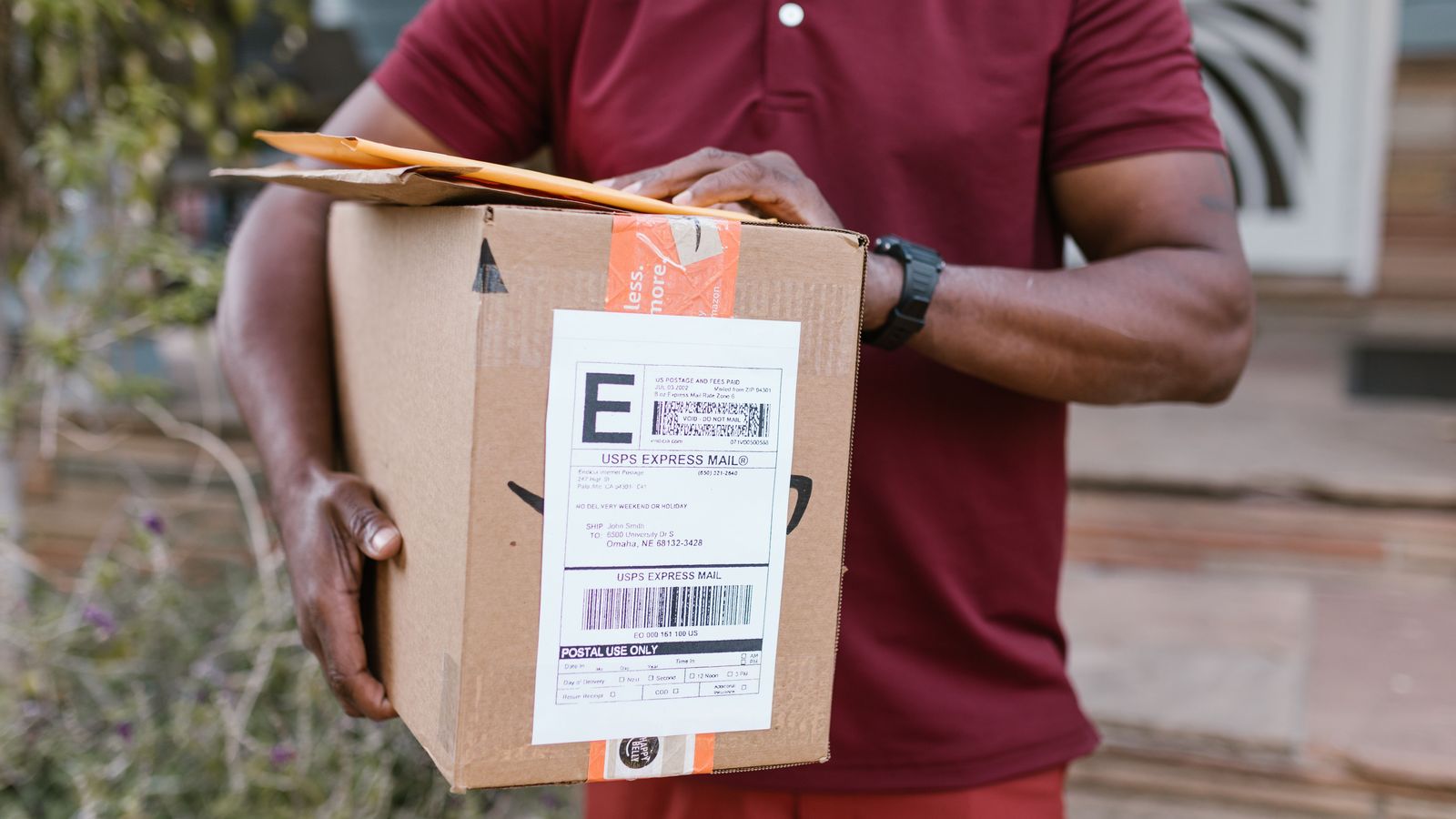
Customers who paid tariff surcharges are suing retailers and carriers for a share of IEEPA refunds. What the lawsuits claim, what contracts say, and what importers should review now.

CBP pays IEEPA refunds only to the Importer of Record. What that means for DDP buyers, customers of carriers and brokers, and businesses that paid supplier tariff surcharges.

A plain-English explanation of Learning Resources v. Trump, the February 2026 Supreme Court decision that IEEPA does not authorize tariffs, and how refunds followed.
Every key date in the IEEPA tariff story, from the February 2025 orders through the Supreme Court decision, the end of collection, CAPE phases, and the court orders on refunds.
Get IEEPA refund updates by email. New CAPE phases, court rulings, and deadline changes. Sign up. Email only, no calls.
Free for importers. No obligation. You choose who to contact.
Get My Free Refund Review →